
Franchising 101
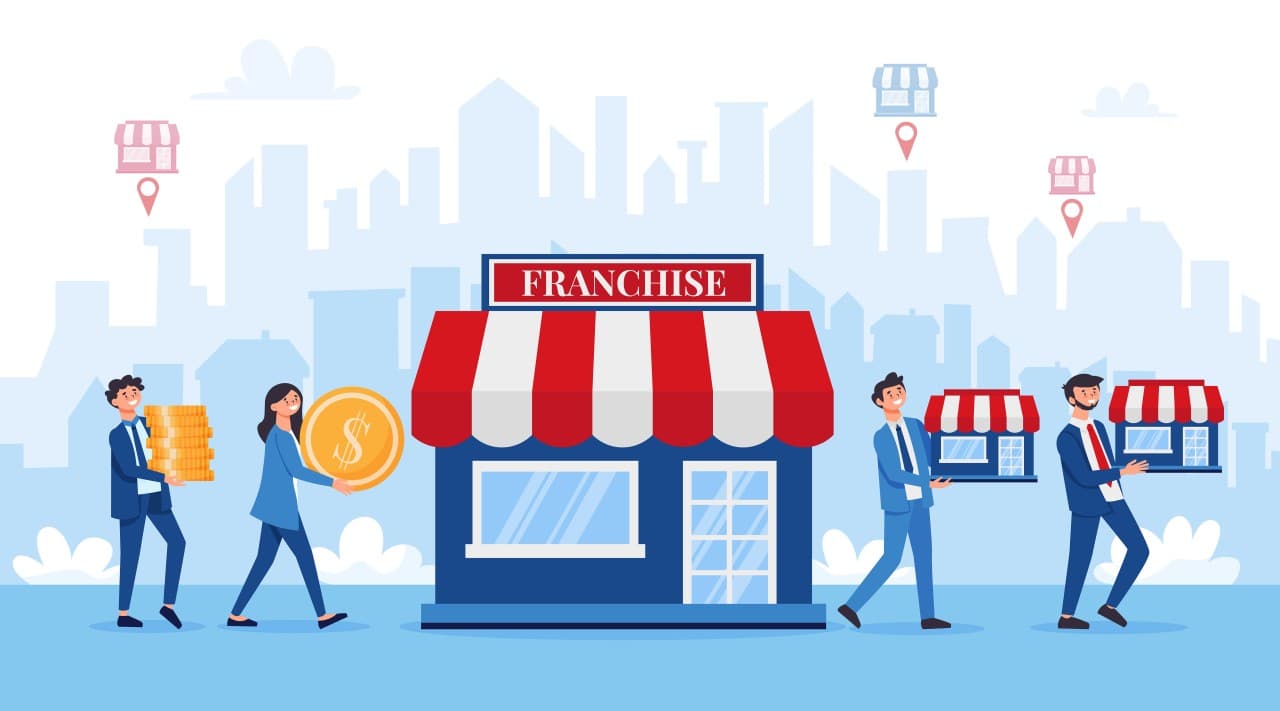
I have been in franchising since the late 1900’s and have led 4 franchise companies as president/CEO (Haagen—Dazs Shoppes, HoneyBaked Ham, Pure Barre and The Lash Lounge). Franchising is an excellent way for small business owners to achieve the American Dream and be in business for themselves but not by themselves. The model’s strength is that it combines entrepreneurship with proven processes and systems, creating community and value for end consumers, franchises and franchisors. Below are a few basics:
- What is a Franchise?
Three things make a commercial business relationship a franchise:
- Trademark or other intellectual property (IP) and an operating system;
- Significant control or assistance in operating the business; and
- Consideration (at least $500 paid by the business owner to the IP owner)
This industry is federally regulated by the FTC, and each state has its own approach to approvals and enforcement, as the government seeks to protect the small business owner. Licensing is another common business arrangement and is defined by offering IP and an operating system for consideration (i.e. $$) to a small business owner, but lacks the ‘significant control’ aspect.
While there are risks with any business endeavor, with only 15% of all small businesses still in business 5 years after starting, 85% of franchise businesses remain in business after 5 years of operation.
2. How Big is the Industry?
Franchising is a massive system in the US:
- 3,800 franchise systems across 300+ categories
- Employs 8 million people and contributes ~$900 billion to US GDP
- Source of thousands of small business owners in the US each year
- Model for many well-known brands to achieve scale
- Almost all fast food (McDonalds, Subway, Pizza Hut, KFC, Chik Fil A)
- Hotels (Marriott, Hilton)
- Fitness (Orange Theory, Planet Fitness, Pure Barre, F45)
- Services (UPS, H&R Block, Ace Hardware, RE/MAX, Jiffy Lube, Hertz)
The system is successful as it allows brands (franchisors) to expand their footprint by enabling local small business owners (franchisees) to open and operate branches of their concept.
Franchisors: companies that license their trademark and operating system to individual local operators. Franchisors provide training, coaching, on-boarding and ongoing support. In return the are paid a royalty (~ 5-8% of each units’ sales)
Franchisees: individuals who build and operate the local unit. They select the location, pay for the build out, hire the local employees and run the day-to-day business.
3. Key Elements of a Franchise:
- Franchise Fees: franchisees pay the franchisor a one-time fee (typically $10-$100k) for the exclusive rights to a territory
- Territory: geography where a franchisee has exclusive permission to provide the service. Often this is defined as a set of zip codes, a radius (e.g. 3 miles) around their location, or number of households in a service-based model
- Royalties: franchisees pay between 5-8% of their topline revenue to the franchisor for us of the trademarks, operating system and support
- Ad Fund: franchisees typically pay 1-3% of their sales into a national ad (or brand) fund for the franchisor to build the brand strength nationally
- FDD: the Franchise Disclosure Document (like a prospectus when you buy a stock) lists all aspects of a franchise system. It is often 200+ pages long and includes 23 different sections. In my opinion, the most important are Items 5-7, which outline the investment required to get started, Item 19, which shows how much money franchisees can make and item 20, which show openings and unit closures.
4. Keys to Success
Each year about 300 franchise systems fail in the U.S. – so prospective franchisees should proceed with caution as they decide where to invest. Only 16% of all franchise systems ever make it to 100 open units, and those under 100 open units are hard to sustain, unless the franchisor is very well capitalized.
In my experience, here are the keys to look for when buying a franchise:
- Founder: the founder (or proven executive leader) should have deep knowledge of the industry and offer, be a thought leader in the category and lead strategy, brand integrity, communication and franchisor staffing
- Unit Level Economics: the most important element is ensuring that the existing units make money. Good unit economics typically depend on finding a good location, building out the systems efficiently, great staff who delight the end consumer, and effective marketing, inviting people into the experience. Best in class franchises return invested capital in ~3 years
- Growing End Market: as franchises desire to grow across the US, it is imperative to be in an end market where consumer demand is rising. The trick is that in well-established categories (like fast foot or boutique fitness) – there aren’t many franchise locations available. On the flip side, in emerging categories (like wellness in 2025) a prospective business owner can get access to a territory, but the brand may just be emerging, and at a higher risk of failure.
- Robust Support System: a good franchise system has both a team that understands the specific offer/service, but also includes folks who have proven to scale businesses. Franchisees need to ensure that the franchisor offers support of the system including marketing, branding, supply chain/purchasing, opening assistance, IT/technical support, KPIs, training and open communications.
I often describe successful franchising as a river, with franchisees on one side and the franchisor on the other, and the water itself the brand. If everyone understands and executes their role well - the franchisor establishing clear standards, processes and support, and the franchisee following the system, sharing local best practices, and executing with excellence – the brand will strengthen and grow, and there is no better way to create wealth and achieve the American Dream.